

 Español
 中文
中文 русский
Oil Press Auxiliary Equipment
Complete oil pressing plant equipment configuration:
Cleaning → Shelling/Crushing → Rolling → Steaming and Roasting → (Screw/Hydraulic) Pressing → Crude Oil Filtration → Refining
I. Pre-treatment Equipment (Before Oil Pressing)
Cleaning Screen: Removes large and small impurities from the oilseeds, such as stones, dust, straw, and metal. This ensures the purity of the oilseeds entering subsequent equipment, preventing machine damage and improving crude oil quality.
Shelling/Peeling Machine: Separates the kernel from the shell of oilseeds (e.g., peanuts, sunflower seeds, cottonseed) or those with skin (e.g., rapeseed). Shells have low oil content and tend to absorb oil; peeling significantly increases oil yield and reduces the amount of pigments and gums from the shell entering the oil, improving crude oil quality.
Crusher: Breaks whole oilseed particles into smaller particles. This increases the surface area of the oilseeds, providing uniform conditions for subsequent rolling and steaming.
Rolling Mill: Rolls the crushed oilseed particles into thin sheets (roughage). This breaks down the cell structure of the oilseeds, making the oil easier to extract. The thin, sheet-like structure allows for more even heating during steaming and frying, a key step in increasing oil yield.
Steaming and frying pan: This pan regulates the temperature and humidity of the rolled oil (using water or steam). It's the core equipment in the hot pressing process, adjusting temperature, moisture, and time to alter protein denaturation and cell wall permeability, resulting in better oil flow and easier pressing. This has a decisive impact on oil yield and flavor.
II. Pressing Auxiliary Equipment (During and After Oil Pressing)
Frying pan: For small screw oil presses (especially for sesame oil and peanut oil), a drum frying pan is often used to pre-roast the oilseeds. Roasting enhances the aroma of the oilseeds and provides a heat treatment similar to that of the steaming and frying pan.
Feeder/Conveyor: This automatically and evenly feeds the pre-treated oilseeds into the oil press's inlet. It enables continuous automated production, reduces labor intensity, ensures uniform and stable feeding, and prevents blockage of the pressing chamber.
Oil residue separation system: Crude oil fresh from the oil press contains a large amount of fine cake residue, which needs to be separated immediately. This is usually done by an oil filter (such as a plate and frame filter, centrifugal filter) or a settling tank. The purpose is to initially purify the crude oil and reduce the burden on subsequent refining.
III. Crude Oil Processing and Refining Equipment (Post-pressing)
This part of the equipment is used to process the pressed "crude oil" into edible "refined oil".
Settling tank/temporary storage tank: Allows the crude oil to settle naturally, separating some of the larger oil residue and phospholipids.
Plate and frame filter/centrifugal filter: Performs precision filtration of solid impurities in the crude oil, obtaining clear crude oil. This is the last solid impurity filtration checkpoint before the crude oil enters the refining workshop.
Refining equipment: A series of equipment such as degumming, deacidification, decolorization, deodorization, and dewaxing further purifies the crude oil into finished oil.
-
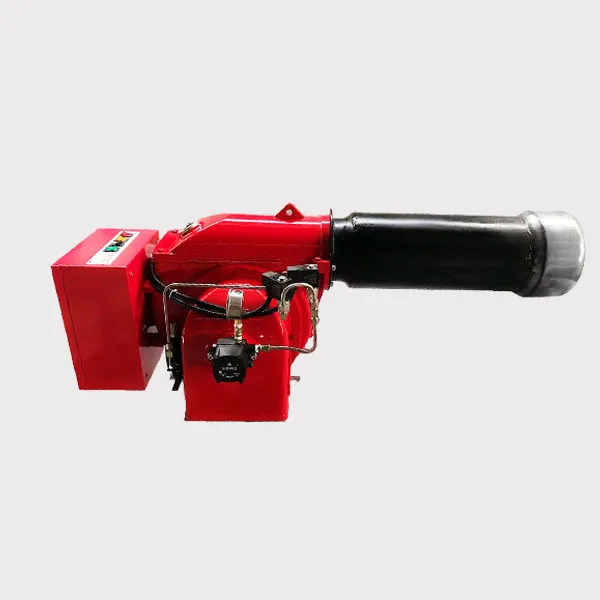
![Industrial Oil Burner BNL75]()
-
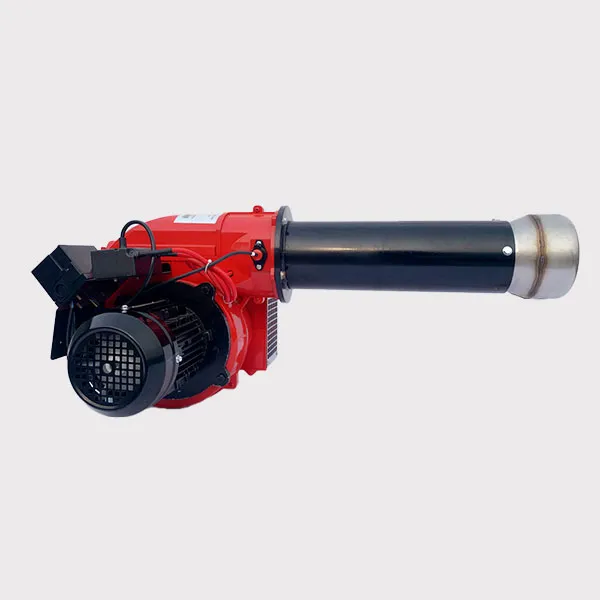
![Industrial Oil Burner BNL35]()
-
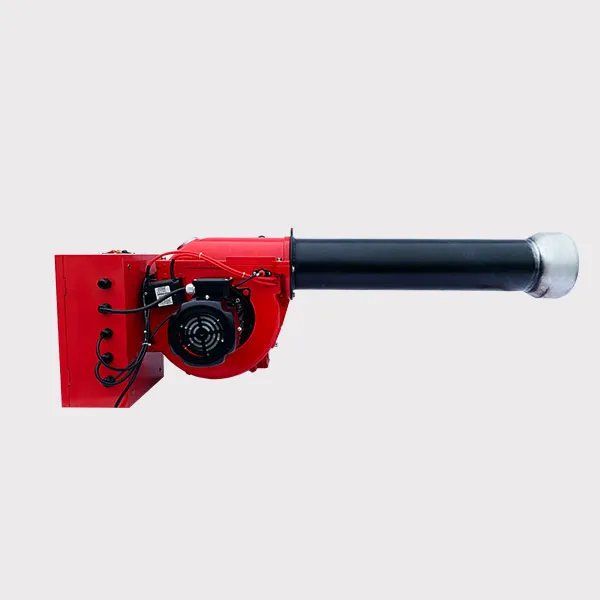
![Industrial Oil Burner BNL55]()
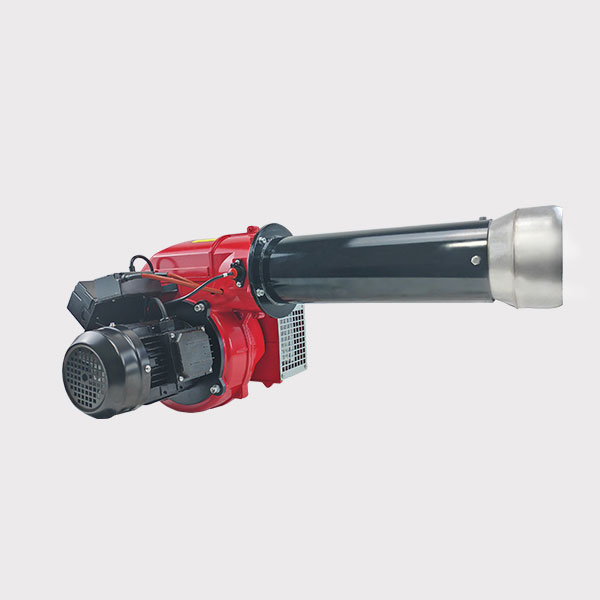
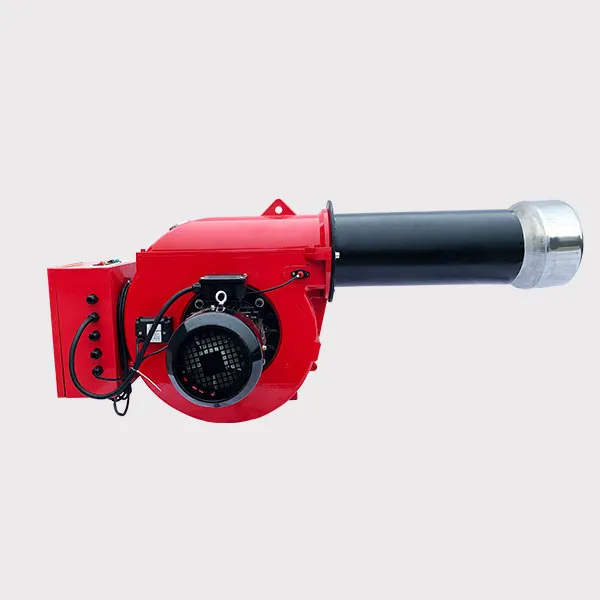
Oil fired burner; One/Two stage fire (on/off); 332-652kw;
Add to Inquiry -
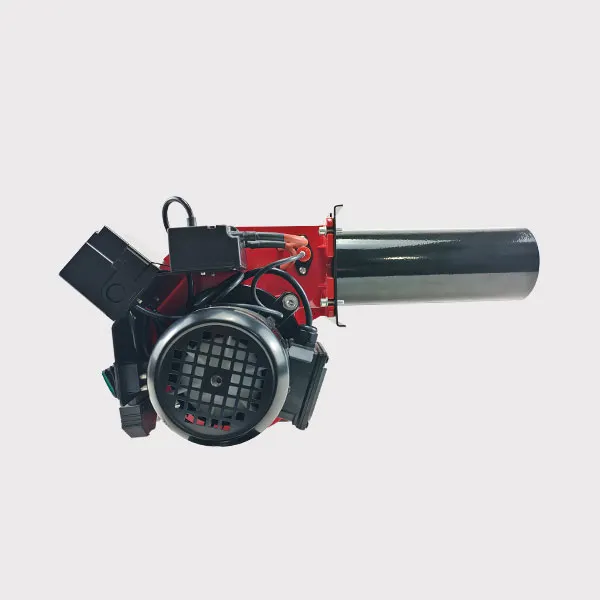
![Industrial Oil Burner BNL10]()
-
![Industrial Oil Burner BNL26]()
-
![Industrial Oil Burner BNL180]()




 86 156 3978 1876
  86 156 3978 1876

