

 Español
 法语
法语 русский
Characteristics and Oil Yields of Various Oil Crops
2025-12-16 10:02:47
Oil crops are crops whose seeds are rich in oil and are used to extract oil for consumption, industrial use, or pharmaceutical production. Key examples include soybeans, peanuts, rapeseed, sesame, castor beans, sunflowers, perilla seeds, and cyperus chinensis. The oil content of these seeds ranges from 20% to 60%. Fiber crops such as cotton, flax, and hemp also contain significant amounts of oil, making them important raw materials for the oil and fat industry. Perennial woody oil plants include coconut, camellia oil, oil palm, and walnut. The meal left after oil extraction contains significant amounts of protein and other nutrients, making it suitable for producing side dishes, as well as for concentrated feed and fertilizer.
Understanding the characteristics and oil yields of different oil crops is crucial for oil extraction production and equipment selection.

Oil yield refers to the amount of oil extracted from each plant when extracting oil from crops like peanuts and soybeans. The formula for calculation is: Oil yield = Oil yield weight ÷ (Total weight - Weight after removing impurities) × 100%.

1. Soybeans
Soybeans are a high-quality, high-protein oil crop with an oil content of 15%-26%.
Oil Yield: 12%-18% depending on the soybean quality in different regions.
2. Rapeseed
Rapeseed (canola) is a high-oil oil crop grown worldwide. It is divided into winter and spring rapeseed, with an oil content of 35%-50%.
Oil Yield: 30%-45% depending on the rapeseed quality in different regions.
3. Cottonseed
As the name suggests, cottonseed is the seed of cotton. The whole seed contains 15%-25% oil, and the kernel contains 28%-39%.
Oil Yield: 11%-25% depending on the cottonseed quality in different regions.
4. Peanuts
Peanut kernel content is 65%-75%, with the kernel containing 40%-51% oil.
Oil Yield: 40%-50% depending on the quality in different regions.
5. Sunflower Seeds
Categories include edible sunflower seeds and oil sunflower. Oil sunflower seeds are mostly small, black seeds with a high oil content of 45%-54%. Therefore, oil sunflower seeds are primarily used for oil extraction. The oil yield of sunflower seeds (oil sunflower) varies from 32% to 42% depending on the quality of the seeds in different regions.
6. Sesame (Sesame Seeds)
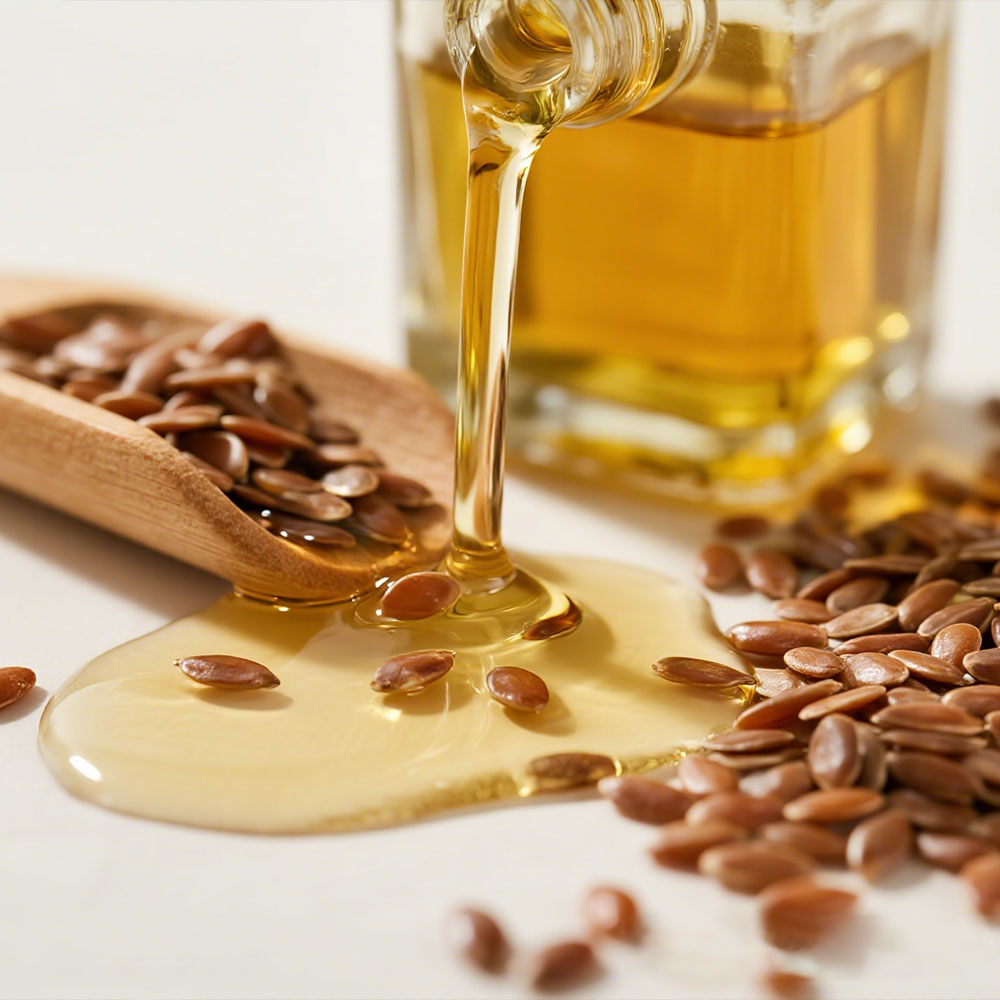
Sesame, also known as sesame or flax, is a seed of the flax family. It has an oil content of 45%-63%, earning it the title of "Queen of Oils." Sesame oil is one of the few vegetable oils that can be consumed without refining.
Sesame (Flax) oil yield varies from 45% to 55% depending on the quality of the seeds in different regions.
7. Rice bran
Rice bran is a byproduct of rice processing. Every 100 kg of brown rice processed produces 5-8 kg of rice bran. The oil content of rice bran ranges from 14% to 24%, and the oil yield of rice bran ranges from 13% to 17%, depending on the quality of the seeds in different regions.
8. Camellia Seeds
Camellia seeds are the seeds of the tea tree (Tea Tree). Camellia seeds are shelled and contain 50%-72% kernels. Camellia seeds contain 30%-40% oil. The oil yield of camellia seeds ranges from 14% to 27% depending on regional quality.
9. Oil Palm Fruit
Oil palm fruit, also known as palm fruit, contains 45%-50% oil. Originating in Africa, it is now found worldwide. Palm oil is currently the world's largest vegetable oil in terms of production, consumption, and international trade, and is considered one of the "three major vegetable oils" along with soybean oil and rapeseed oil. Oil yields vary depending on regional quality, ranging from 20%-22% for crude palm oil to approximately 2% for palm kernel oil.

Please note: The actual oil yield is significantly affected by raw material quality, equipment, process (hot or cold pressing), and operator skill. Generally speaking, for example, for peanuts, higher pressing pressures reduce the residue content, lower the residual oil content in the dry cake, and ultimately, achieve higher oil yields.
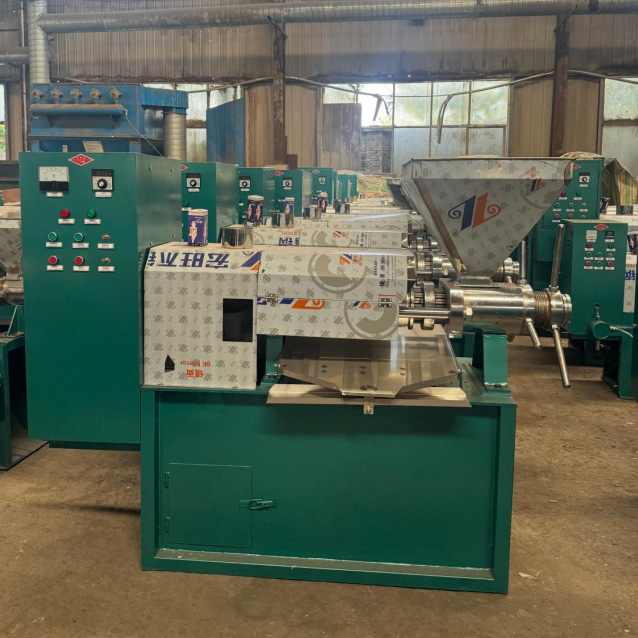
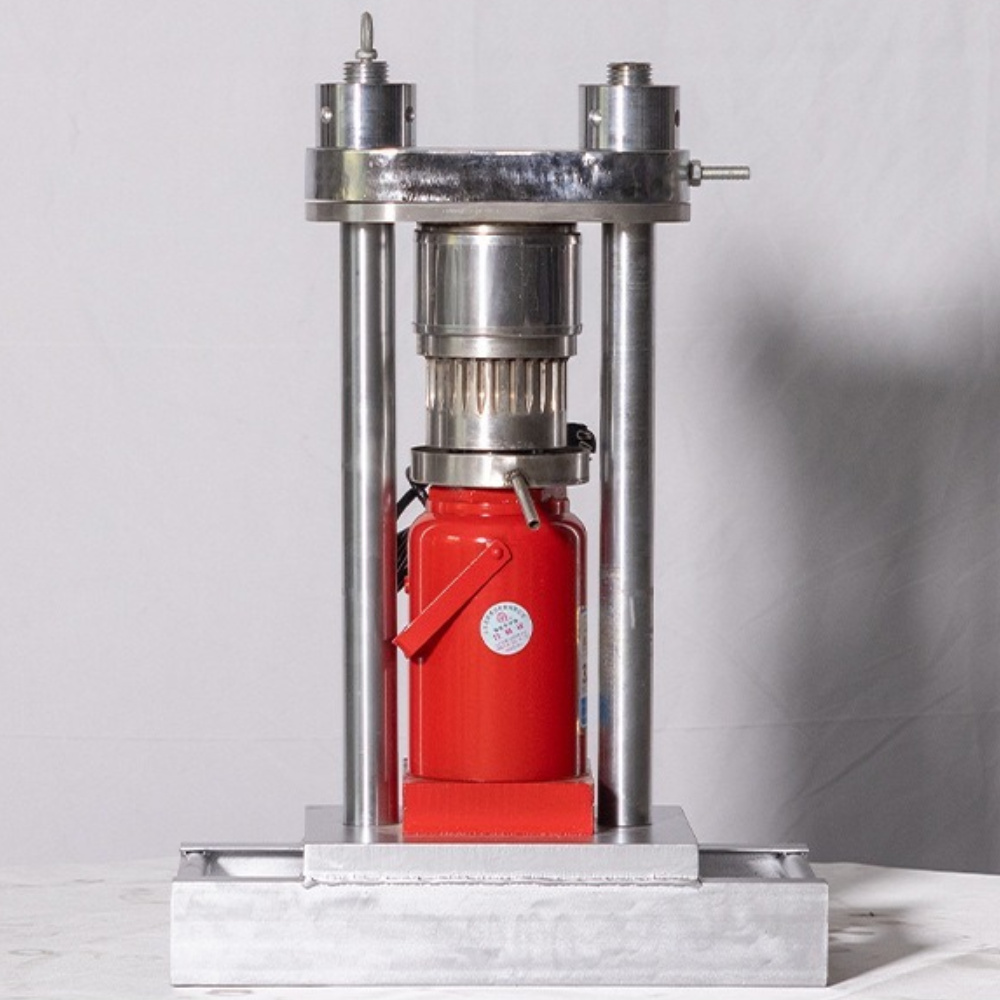
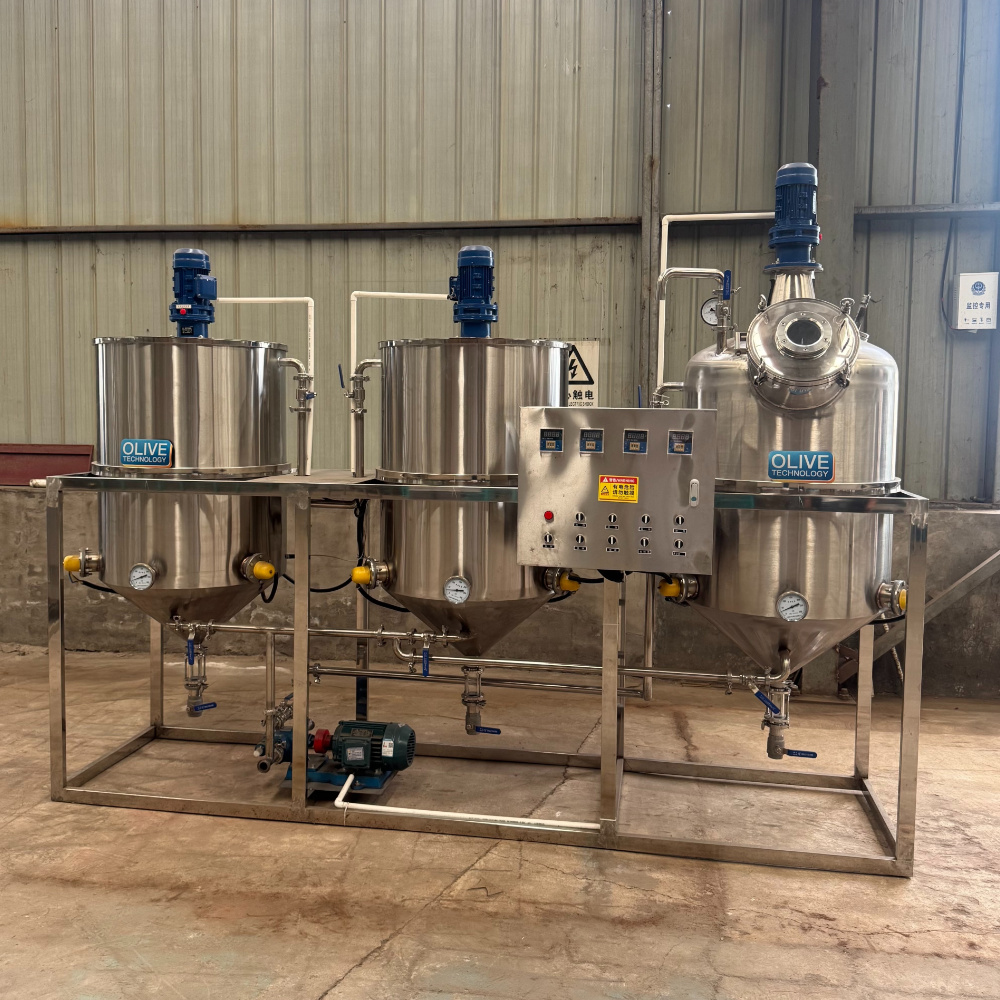
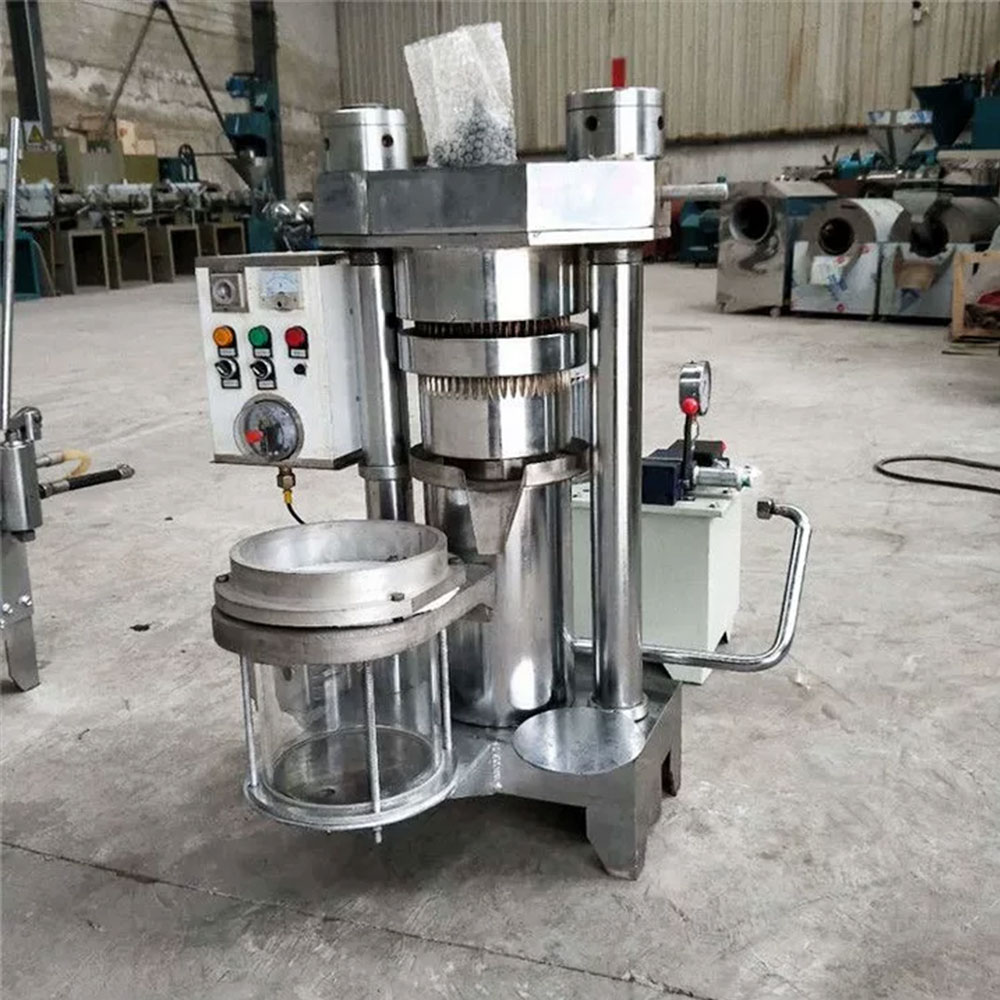
For more information on oil pressing equipment, please feel free to contact us!




 +86 188 3694 1218
  +86 188 3694 1218
