

 Español
 French
 русский
Soybean Oil Production Process Using Screw Oil Press Machine
2026-06-30 16:23:04
SCREW HOT PRESSING: PRODUCING HIGH QUALITY SOYBEAN OIL
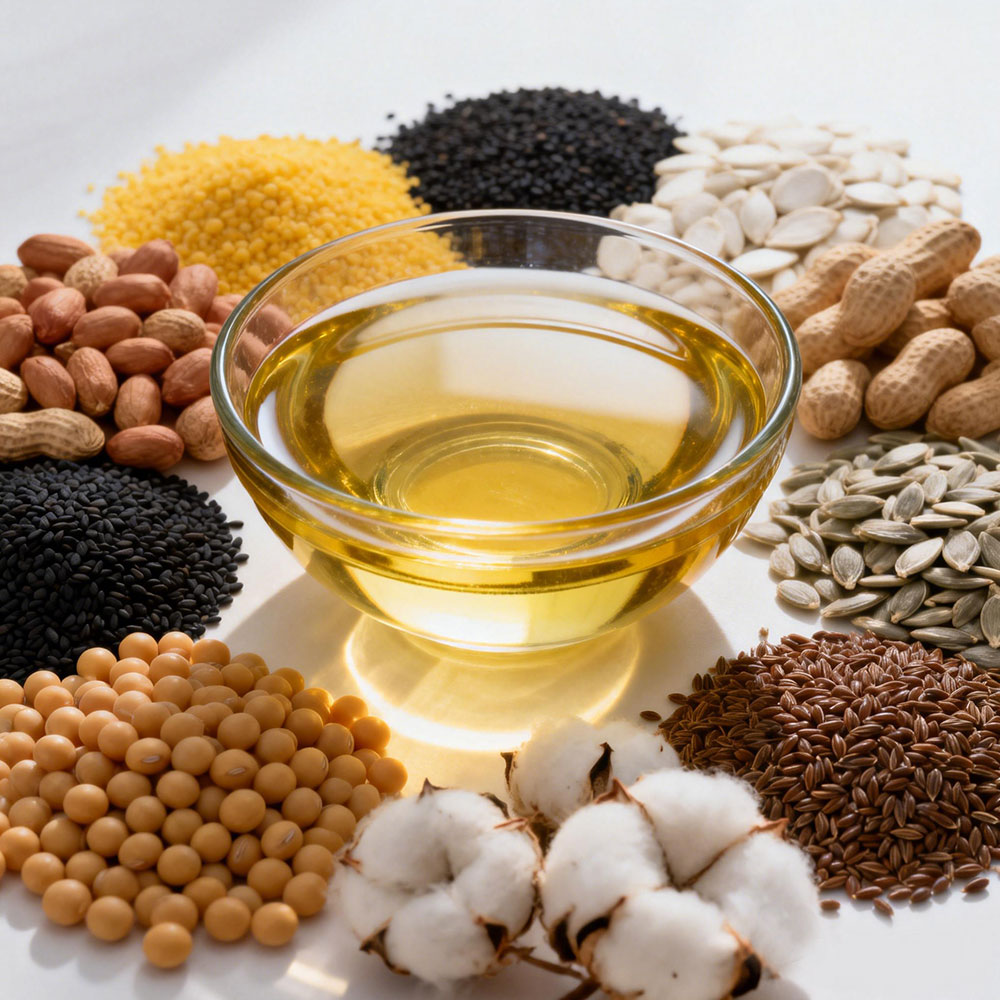
Soybean oil is one of the most widely consumed edible oils in the world. It is extracted from soybeans, which contain approximately 17–20% oil by weight. This oil is pale yellow in color, mild in flavor, and used for cooking, frying, and food processing. In addition to edible uses, soybean oil is also used to produce biodiesel and for industrial purposes.
For commercial soybean oil production, the screw oil press hot pressing method is the most practical and cost-effective method. It operates continuously, provides a stable output, and yields more oil than cold pressing.
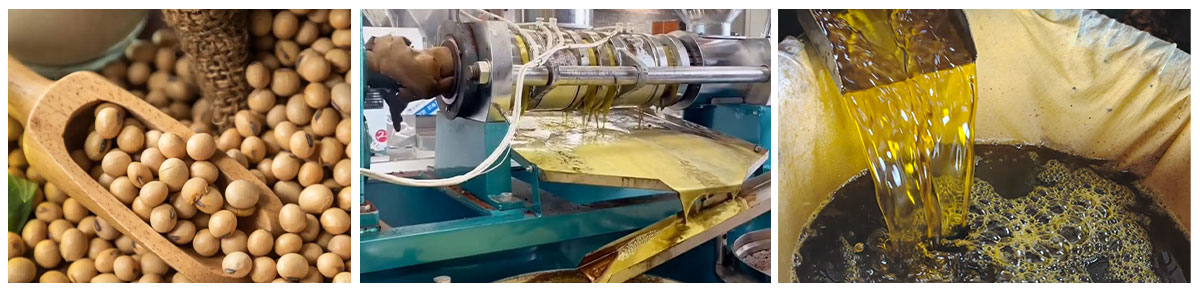
Soybean Oil Production Process
<!--[if !supportLists]-->1. <!--[endif]-->Raw Soybean Cleaning: Incoming soybeans are passed through a vibrating screen cleaner and destoner to remove stones, dust, plant stems, and metal fragments. Impurity content is reduced to below 0.5% before further processing.
<!--[if !supportLists]-->2. <!--[endif]-->Drying and Moisture Control: Soybeans are dried to 7–10% moisture before being pressed. Achieving the correct moisture level is crucial; too wet will result in poor oil extraction and emulsification, while too dry will result in excessive heat generation and poor pressing.
<!--[if !supportLists]-->3. <!--[endif]-->Crushing and Flaking: Cleaned soybeans are first crushed into coarse fragments, then rolled into thin flakes of 0.3–0.5mm thickness. Flaking breaks down the cell structure of the soybean, making oil easier to release during pressing and reducing the work required from the press machine.
<!--[if !supportLists]-->4. <!--[endif]-->Cooking: Flaked soybeans are heated in a stacked cooker at 100–115°C for 20–35 minutes. This step softens the cell walls further, reduces oil viscosity, and adjusts moisture to the optimal range for hot pressing. It is the single most important step for maximizing oil yield.
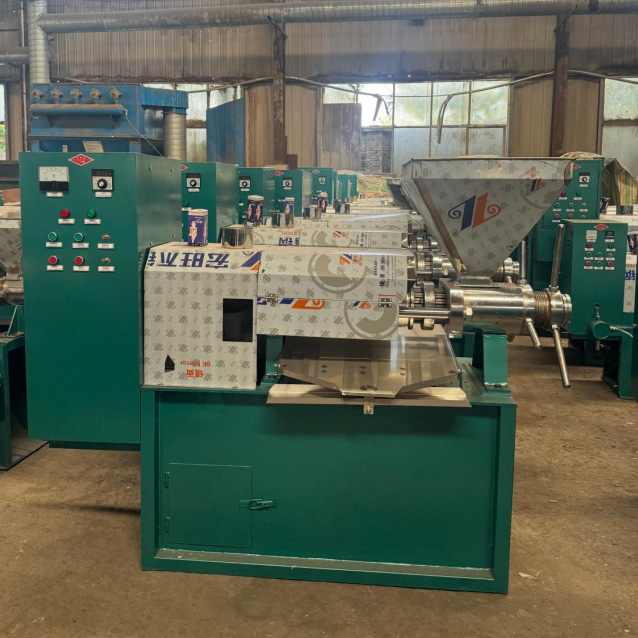
<!--[if !supportLists]-->5. <!--[endif]-->Screw Oil Press Pressing: Cooked soybean flakes are fed continuously into the screw oil press. The rotating screw shaft applies progressive pressure as material moves through the barrel, forcing oil out through the press cage slots. Crude soybean oil flows out from the bottom of the machine. The remaining solid material like soybean cake, exits from the end of the barrel with a residual oil content of 5–8%.
<!--[if !supportLists]-->6. <!--[endif]-->Crude Oil Filtration: Crude oil exiting the press carries fine meal particles. It passes through a plate filter or vacuum leaf filter to remove these particles before storage or refining. Filtered crude oil is clear yellow in color and ready for the refining stage.
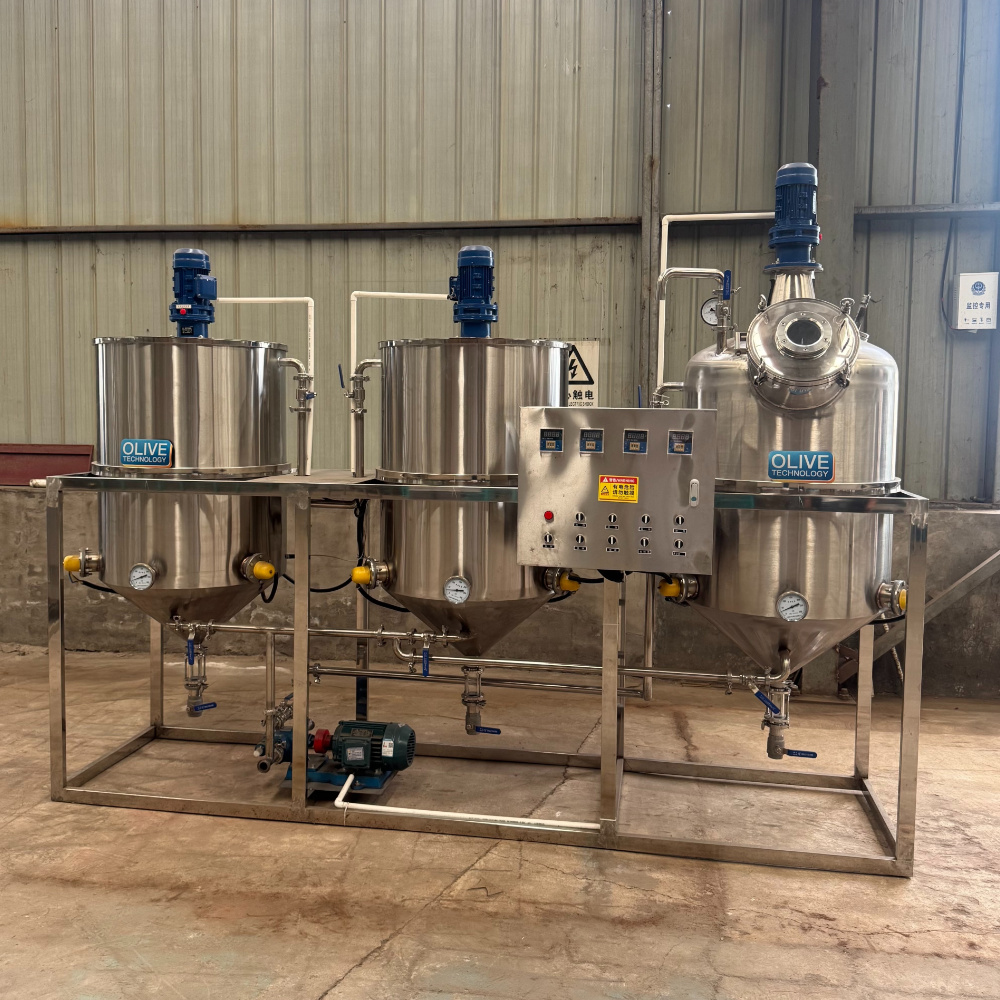
<!--[if !supportLists]-->7. <!--[endif]-->Soybean Oil Refining: Crude soybean oil contains phospholipids, free fatty acids, pigments, and trace impurities. For refined cooking oil output, the crude oil goes through four refining steps:
<!--[if !supportLists]-->· <!--[endif]-->Degumming:- Hot water is added to crude oil to hydrate and separate phospholipids (gums) from the oil. This is the first and most essential step before any further refining.
<!--[if !supportLists]-->· <!--[endif]-->Deacidification:- Sodium hydroxide (caustic soda) is added to neutralize free fatty acids, which are then separated as soapstock through centrifugation. This reduces the acid value of the oil.
<!--[if !supportLists]-->· <!--[endif]-->Decolorization:- The oil is treated with activated clay or activated carbon at 90–110°C. The adsorbent material binds to and removes color pigments such as chlorophyll and carotenoids, resulting in a lighter, cleaner oil color.
<!--[if !supportLists]-->· <!--[endif]-->Deodorization:- Under high vacuum and high temperature (above 200°C), steam is passed directly through the oil. This strips out volatile compounds responsible for unpleasant odors and flavors, producing a neutral-tasting final oil.
<!--[if !supportLists]-->8. <!--[endif]-->Filling and Packaging: Refined soybean oil is filled into bottles or drums under nitrogen protection to prevent oxidation. Packaging is sealed and stored below 20°C to maintain oil quality during transportation and shelf storage.
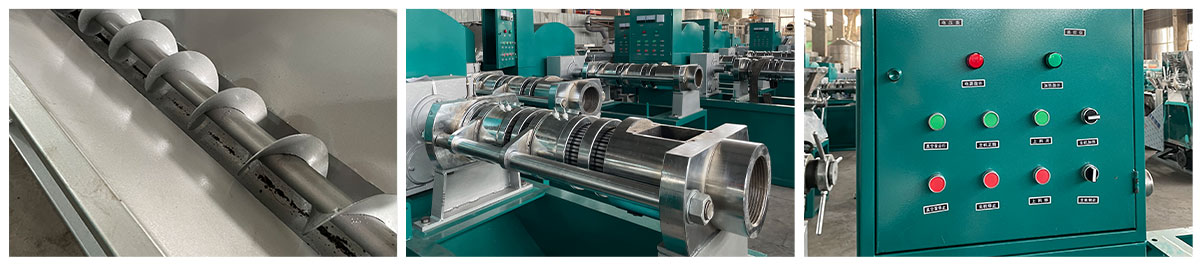
Process Results:
Oil Remaining in Soybean Cake: After screw press hot pressing, only 5–8% oil remains in the soybean cake. This means that the maximum oil has been extracted from the raw material, with minimal wastage.
Crude Oil Color: Crude oil initially contains fine meal particles. After filtration, the oil is light yellow and clear. This is a key sign of high-quality crude oil.
Cake Quality: The soybean cake remaining after pressing contains 40–45% protein. This cake can be directly used in the poultry, cattle, and fish feed industries and has significant market value and profit.
Pressing Method: Once started, the screw oil press runs continuously without interruption. It is suitable for applications ranging from small oil mills to large industrial plants.
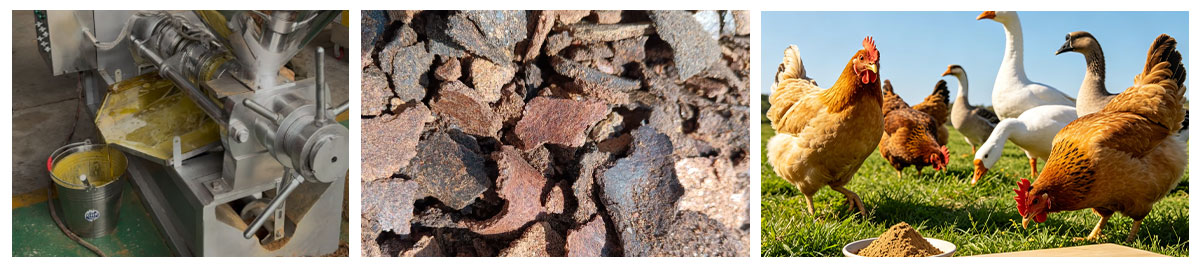
Complete Equipment List for Soybean Oil Production Line
Equipment | Function |
Vibrating Screen Cleaner + Destoner | Removes impurities from raw soybeans |
Seed Dryer | Adjusts moisture to target pressing range |
Soybean Crusher | Breaks soybeans into coarse fragments |
Roller Flaker | Flattens fragments into thin flakes for better pressing |
Stacked Cooker / Conditioner | Heats flakes to optimal temperature before pressing |
Screw Oil Press Machine | Mechanical pressing to extract crude soybean oil |
Plate Filter / Vacuum Leaf Filter | Removes meal particles from crude oil |
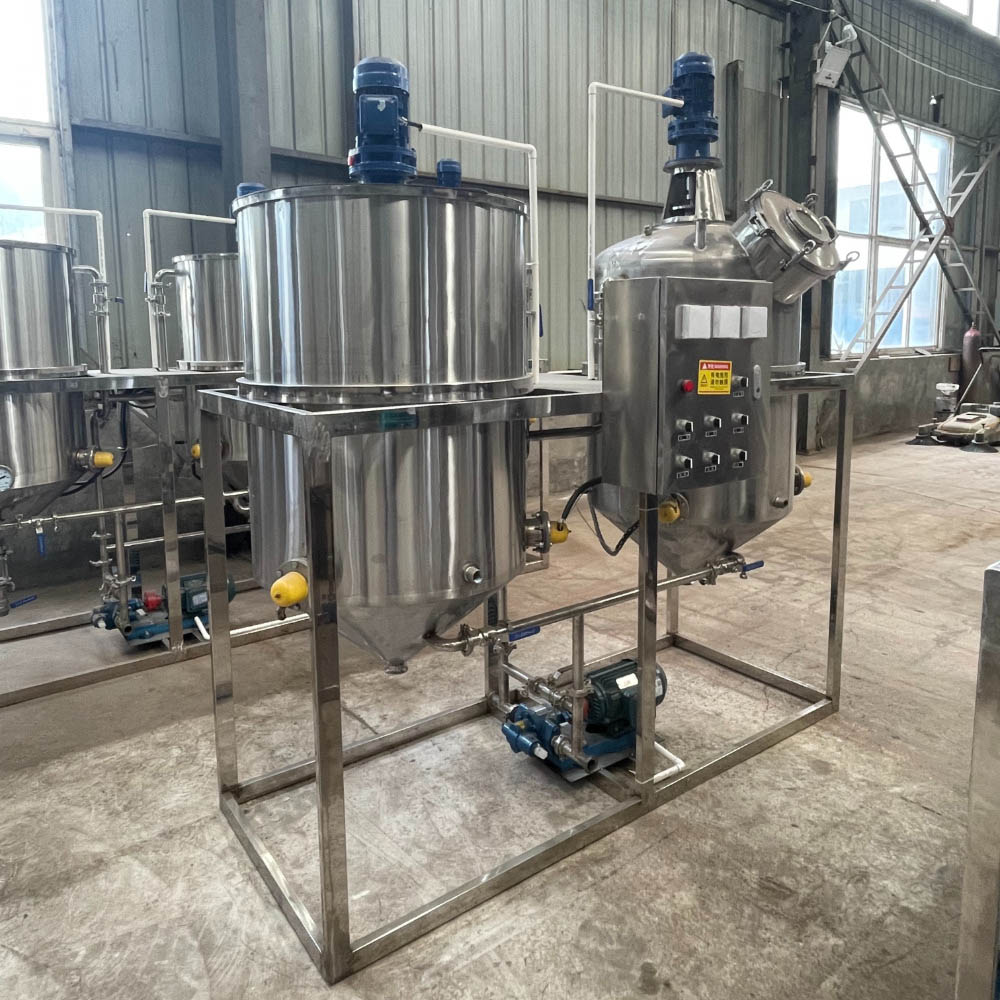
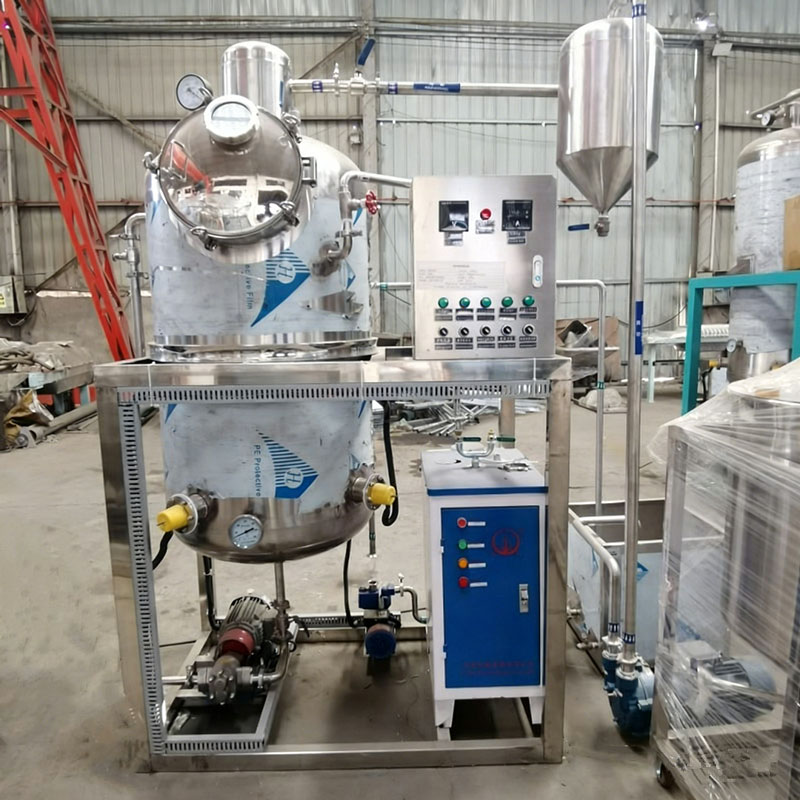
Oil Refining Equipment | Degumming, deacidification, decolorization, deodorization |
Oil Filling Machine | Fills finished oil into bottles or drums |
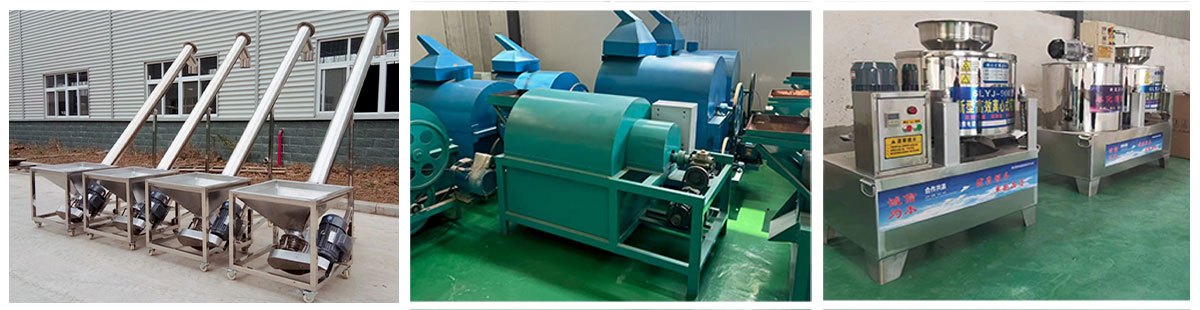
If you have soybean raw materials and are planning to set up an oil pressing line, whether small-scale or large industrial, we can provide you with a professional and complete solution tailored to your production requirements.
Send us a message to receive a customized equipment configuration plan!
Email: info@oilprocessingline.com WhatsApp/Tel: +86 188 3694 1218 Website: www.oilprocessingline.com




 +86 188 3694 1218
  +86 188 3694 1218
