

 Español
 French
 русский
Energy-Saving Technologies in Modern Oil Refining Equipment
2026-07-22 09:18:48
Energy-Saving Technologies in Modern Oil Refining Equipment
When it comes to oil refining lines, running them is not cheap. Between the heat required for degumming, the high temperatures required for deodorization, and the energy used in each stage, electricity and fuel costs add up quickly. For small and medium-scale oil processors, this can significantly impact profits.
The good news is that modern oil refining equipment has evolved significantly in this area. Heat recovery systems, improved vacuum technology, and smart process design have made today's refining machines significantly more energy-efficient than older batch systems, without compromising oil quality.
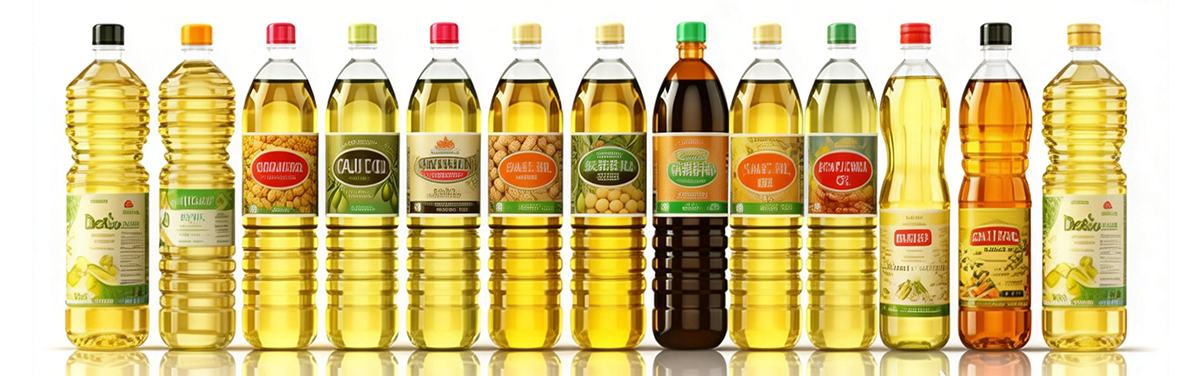
Heat Recovery Systems
Heating is the largest energy source in oil refining. Crude oil requires heating at various stages, such as neutralization, bleaching, and especially during deodorization, where temperatures exceed 200°C.
Older refining systems generated heat separately for each stage. Modern refining equipment uses heat exchangers that capture heat from the oil leaving one stage and transfer it to the oil entering the next stage. For example, hot refined oil leaving the deodorizer preheats the incoming bleached oil before entering the deodorization tank.
Instead of generating new heat from scratch at every stage, the system reuses what is already there. For a plant running continuous shifts, this brings down fuel costs in a way that becomes very visible by the end of the year.
Vacuum System Improvements | Lower Temperature, Same Result
Compounds and odors from refined oil. But, higher temperatures also mean higher energy consumption and a greater risk of oil oxidation during processing.
Modern refining equipment in this industry uses improved vacuum systems that maintain a higher vacuum inside the deodorization tank. This higher vacuum allows volatile compounds to be removed at lower temperatures. Some newer systems provide effective deodorization at 180–200°C, rather than the 220–240°C range typical in older equipment.
Lower operating temperature means :
Less fuel or steam consumed per batch
Reduced thermal stress on the oil — better color and flavor retention
Longer equipment service life due to lower operating heat loads
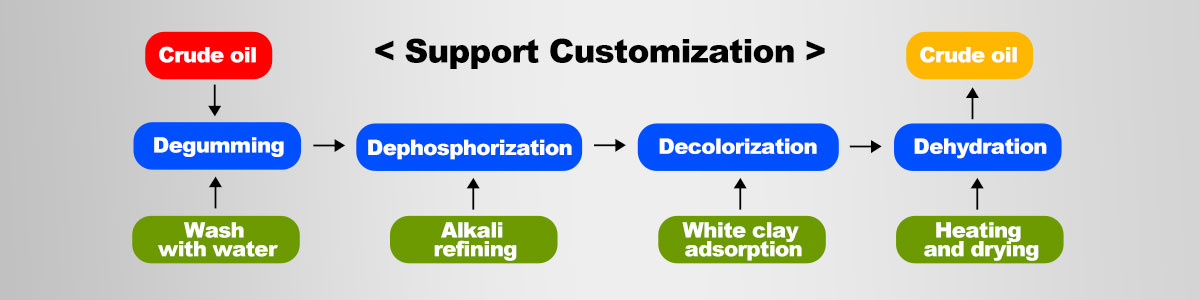
Insulated Tank Design | Keeping Heat Where It Belongs
In older refining systems, heat loss through tank walls is a source of energy waste. Tanks that are not properly insulated lose heat to the surrounding atmosphere during each processing cycle, and this heat must be replaced by the heating system.
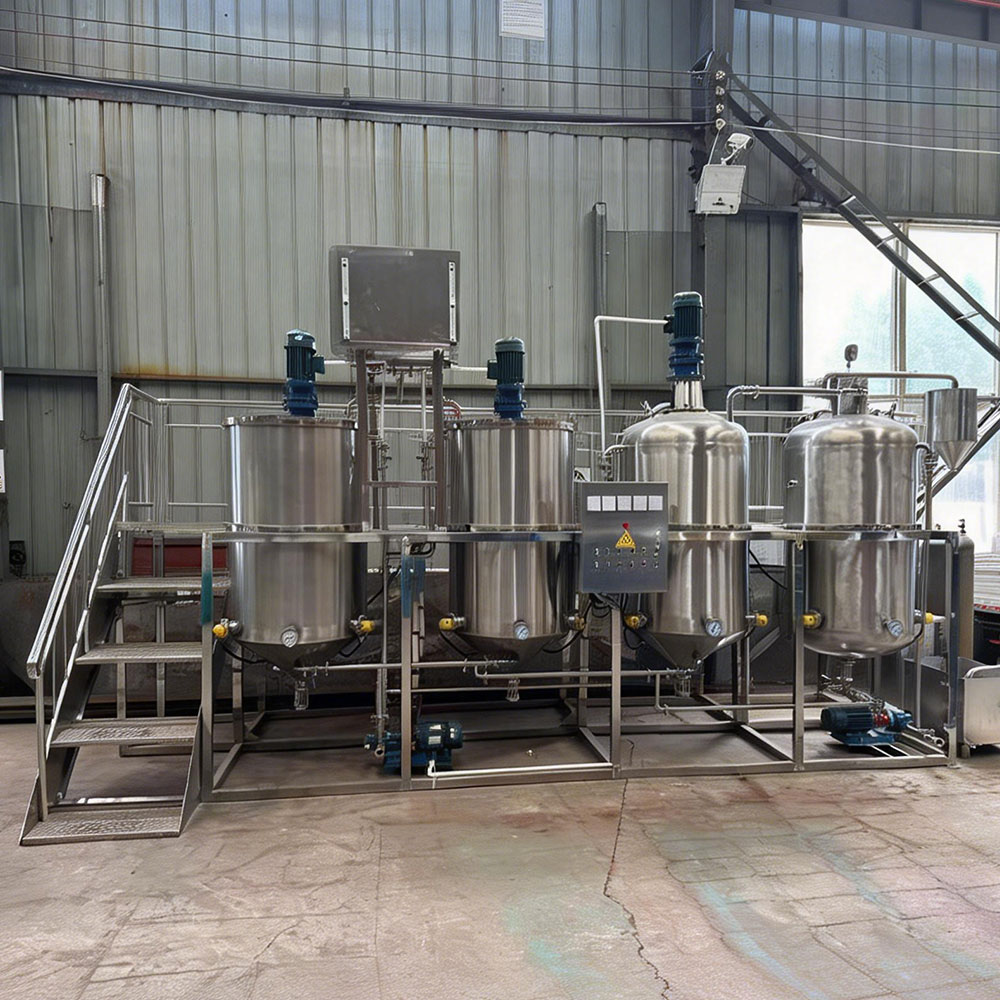
Newer oil refining equipment uses multi-layer insulated tank construction, typically consisting of stainless-steel inner walls and outer insulation cladding. This maintains a stable internal temperature with less frequent energy input, reducing the load on the heating coil or thermal fluid system during operation.
Eco-Friendly Processing Means Fewer Chemicals, Less Waste
Energy savings in new refining aren't just about electricity and fuel. They also include reducing the use of processing chemicals like caustic soda, bleaching earth, and steam, all of which have their own costs and environmental impacts.
New and improved degumming technologies utilize water or mild acid treatments more efficiently, reducing caustic soda consumption in the deacidification stage without impacting neutralization performance.
Spent bleaching earth recovery: - In which the used soil from the decolorization stage is properly collected and disposed of or reused this reduces both waste handling costs and the overall environmental footprint of the refining operation.
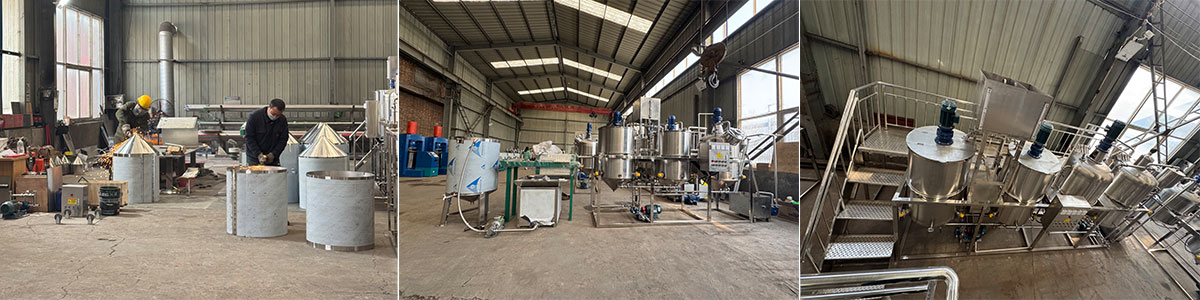
Which Oil Types Benefit Most from Energy-Saving Refining Equipment?
Energy-saving refining technology applies across all common edible oils, but the benefit is most visible in oils that require multiple refining passes or higher processing temperatures:
Oil Type | Key Refining Challenge | Energy-Saving Benefit |
Soybean Oil | High phospholipid content, multiple degumming passes | Heat recovery reduces degumming energy load |
Sunflower Oil | Wax content requires additional dewaxing step | Vacuum improvement reduces dewaxing temperature |
Palm Oil | High FFA content, heavy deacidification | Reduced caustic soda consumption |
Avocado Oil | Sensitive to heat — nutrient loss at high temperature | Lower deodorization temperature preserves quality |
Coconut Oil | Requires precise deodorization for flavor control | Stable vacuum system improves consistency |
Conclusion
Henan Olive Technology Co., Ltd. has many years of experience in manufacturing edible oil processing equipment, supplying oil refining equipment and complete production lines to customers in the Americas, Australia, Africa and Asia. Whether you are setting up a new refining line or replacing aging equipment, we can help you select the right configuration based on your oil type, daily capacity, and energy reduction targets.
Are you starting a new refining operation or looking to reduce your existing energy costs? Tell us your oil type, daily capacity, and processing needs, and we'll create the right solution for you.
Send us a message or call to get a customized equipment configuration plan!
<!--[if !supportLists]-->· <!--[endif]-->Email: info@oilprocessingline.com
<!--[if !supportLists]-->· <!--[endif]-->WhatsApp/Tel: +86 188 3694 1218
<!--[if !supportLists]-->· <!--[endif]-->Website: www.oilprocessingline.com




 +86 188 3694 1218
  +86 188 3694 1218
